

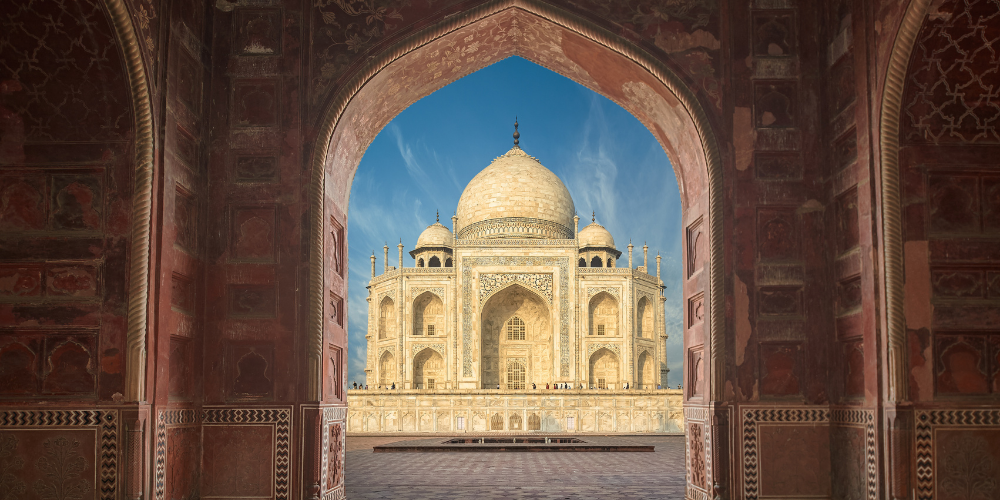
Agra is world-famous for the Taj Mahal, a symbol of love and one of the New Seven Wonders of the World. But this historic city offers much more than just this iconic monument. If you want to explore Agra beyond the Taj Mahal, you will discover a rich blend of Mughal architecture, vibrant markets, and cultural treasures that tell stories of India’s past. This guide highlights ten must-visit attractions in Agra that will enrich your travel experience and reveal the city’s diverse heritage.
Intricate marble inlay work on Agra Fort walls
Agra Fort is a massive red sandstone fortress located just 2.5 kilometers from the Taj Mahal. It served as the main residence of the Mughal emperors until 1638. The fort is a UNESCO World Heritage Site and offers a fascinating glimpse into Mughal military architecture and royal life.
Inside the fort, you will find beautiful palaces, audience halls, and mosques. The Jahangir Palace and the Khas Mahal showcase exquisite white marble work and delicate carvings. The fort’s strategic location on the Yamuna River also provides stunning views of the Taj Mahal from certain vantage points.
Tips for visitors:
Arrive early to avoid crowds and the midday heat.
Hire a local guide to learn about the fort’s history and architecture.
Wear comfortable shoes as the fort complex is large and involves some walking.
About 40 kilometers from Agra, Fatehpur Sikri is a well-preserved ghost city built by Emperor Akbar in the late 16th century. It served as the Mughal capital for only 14 years before being abandoned due to water scarcity.
The city is a masterpiece of Mughal architecture, blending Islamic, Hindu, and Persian styles. Key sites include the Buland Darwaza (Victory Gate), Jama Masjid (a large mosque), and the Panch Mahal (a five-story palace with open pavilions).
Visiting Fatehpur Sikri offers a unique opportunity to walk through a city frozen in time, with its red sandstone buildings and peaceful courtyards.
Often called the "Baby Taj," Itmad-ud-Daulah’s Tomb is a smaller mausoleum located on the banks of the Yamuna River. Built between 1622 and 1628, it is considered a draft of the Taj Mahal and marks a transition from red sandstone to white marble in Mughal architecture.
The tomb is famous for its intricate pietra dura (stone inlay) work and detailed carvings. It is a quieter, less crowded spot where you can appreciate the artistry and craftsmanship that inspired the Taj Mahal.
Mehtab Bagh is a garden complex located directly across the Yamuna River from the Taj Mahal. It offers one of the best sunset views of the Taj Mahal, framed by lush greenery and water channels.
This garden was originally designed as a charbagh (four-part garden) and served as a pleasure garden for the Mughal emperors. Today, it is a peaceful place to relax, take photographs, and enjoy the natural beauty surrounding the Taj Mahal.
Jama Masjid in Agra is one of the largest mosques in India, built by Shah Jahan in 1648. It is located near the Agra Fort and features impressive red sandstone and white marble architecture.
The mosque can accommodate thousands of worshippers and has a large courtyard, beautiful minarets, and intricate calligraphy. Visitors can admire the mosque’s design and learn about its religious and cultural significance.
Located about 13 kilometers from Agra city center, Akbar’s Tomb is the resting place of Emperor Akbar, one of the greatest Mughal rulers. The tomb is set within a large garden and combines Islamic, Hindu, Buddhist, and Jain architectural styles.
The gateway to the tomb is grand and decorated with red sandstone and marble. The tomb itself is a peaceful place surrounded by lush greenery, making it a great spot for history lovers and those seeking tranquility.
Chini Ka Rauza is a funerary monument dedicated to Allama Afzal Khan Mullah, a poet and scholar in Emperor Shah Jahan’s court. The tomb is famous for its glazed tile work, which gives it a unique blue-green color.
This lesser-known site offers a different perspective on Mughal architecture and is a quiet place to explore away from the main tourist spots.
Mariam’s Tomb is the mausoleum of Mariam-uz-Zamani, the wife of Emperor Akbar and mother of Jahangir. It is located in the outskirts of Agra and is an example of Mughal funerary architecture.
The tomb is surrounded by gardens and has a simple yet elegant design. It is less visited by tourists, providing a peaceful atmosphere for reflection and photography.
For a taste of local life and shopping, Kinari Bazaar is a vibrant market in Agra’s old city. It is famous for its traditional Indian jewelry, textiles, handicrafts, and street food.
Walking through the narrow lanes of Kinari Bazaar offers an authentic experience of Agra’s culture. You can shop for souvenirs, try local snacks, and interact with friendly shopkeepers.
Dayal Bagh is a spiritual and cultural center located a few kilometers from Agra’s city center. It is the headquarters of the Radhasoami faith and features beautiful gardens, a large temple, and a museum.
Visitors can explore the peaceful grounds, learn about the Radhasoami philosophy, and enjoy the well-maintained surroundings. It is a refreshing break from the busy city and a chance to experience Agra’s spiritual side.
Exploring Agra beyond the Taj Mahal reveals a city rich in history, architecture, and culture. From grand forts and ancient cities to peaceful gardens and bustling markets, these ten attractions offer diverse experiences that deepen your understanding of this historic city. Whether you are a history enthusiast, architecture lover, or cultural explorer, Agra has something special waiting for you.

 Easy Booking We offer easy and convenient flight bookings with attractive offers.
 24/7 Support Get assistance 24/7 on any kind of travel related query.