

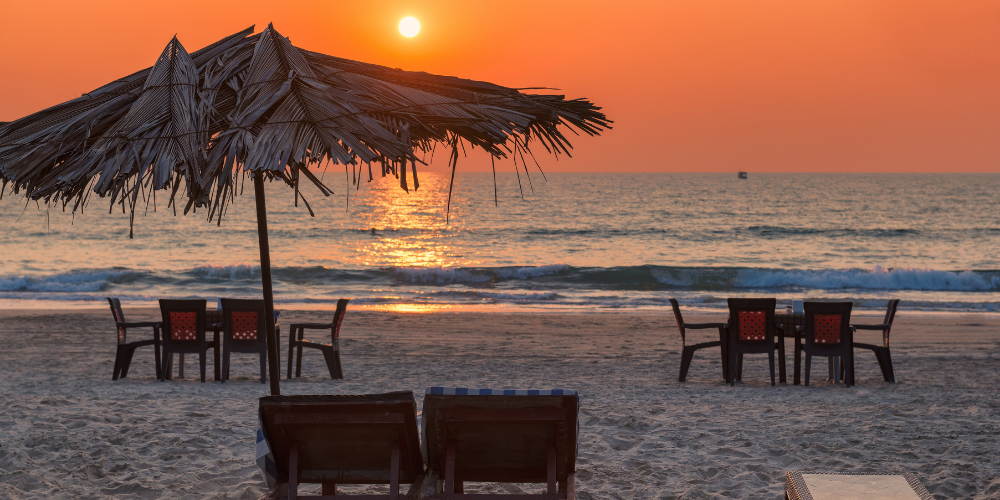
Goa is famous worldwide for its sun-kissed beaches and vibrant nightlife. Yet, beyond the sandy shores and party scenes, this small Indian state holds many lesser-known treasures that offer a rich blend of history, culture, nature, and tranquility. For travelers seeking more than just the typical beach holiday, Goa’s hidden gems provide unique experiences that reveal the region’s diverse character.
This post uncovers some of Goa’s best-kept secrets, from ancient temples and spice plantations to serene villages and wildlife sanctuaries. Whether you are a history buff, nature lover, or someone who enjoys exploring offbeat paths, Goa has something special waiting for you.
While many visitors flock to the beaches, Goa’s history is deeply rooted in its colonial past and ancient traditions. Exploring its historical sites offers a glimpse into the region’s complex cultural fabric.
Old Goa, once the capital of Portuguese India, is home to magnificent churches that date back to the 16th century. The Basilica of Bom Jesus is a UNESCO World Heritage site famous for housing the mortal remains of St. Francis Xavier. Its baroque architecture and intricate interiors attract history enthusiasts and architecture lovers alike.
Nearby, the Se Cathedral stands as one of the largest churches in Asia, known for its impressive golden bell and grand façade. These churches are not just places of worship but also monuments that tell stories of Goa’s colonial era.
Goa’s forts offer panoramic views and a peek into its strategic military past. The Aguada Fort, perched on a cliff overlooking the Arabian Sea, was built in the early 1600s to guard against Dutch and Maratha invasions. Walking along its ramparts, you can imagine the watchmen scanning the horizon for incoming ships.
Another gem is the Chapora Fort, which gained popularity after being featured in Bollywood films. It offers stunning sunset views and a peaceful atmosphere away from the crowds.
Goa’s landscape extends far beyond its beaches. The state’s lush greenery, rivers, and wildlife sanctuaries provide excellent opportunities for nature lovers.
A visit to a spice plantation is a sensory journey into Goa’s agricultural heritage. These plantations cultivate spices like black pepper, cardamom, nutmeg, and cinnamon. Guided tours explain the cultivation process and allow visitors to taste fresh spices and traditional Goan cuisine.
The Sahakari Spice Farm near Ponda is a popular choice. It offers a peaceful setting surrounded by hills and dense foliage, perfect for those wanting to experience rural Goa and learn about its farming traditions.
Goa is home to several wildlife sanctuaries that protect diverse flora and fauna. The Bhagwan Mahavir Wildlife Sanctuary is the largest in the state, covering over 240 square kilometers. It shelters animals such as leopards, deer, and various bird species.
For bird watchers, the Salim Ali Bird Sanctuary on Chorao Island is a must-visit. Named after the famous ornithologist, it is a haven for migratory and native birds, especially during the winter months.
Goa’s culture is a blend of Indian and Portuguese influences, reflected in its festivals, cuisine, and crafts. Exploring local villages and markets reveals this vibrant cultural mix.
Villages like Panjim’s Fontainhas and Siolim offer a glimpse of old Goa’s charm with their narrow lanes, colorful houses, and colonial architecture. Fontainhas, in particular, is known for its Portuguese-style mansions and quaint cafes.
Visiting these villages allows travelers to interact with locals, witness traditional crafts, and enjoy authentic Goan dishes away from tourist hotspots.
Goa’s markets are lively places to discover local art and handmade products. The Anjuna Flea Market is famous for its eclectic mix of clothes, jewelry, and souvenirs. For a more traditional shopping experience, the Mapusa Market offers fresh produce, spices, and handcrafted items.
Supporting local artisans helps preserve Goa’s cultural heritage and provides visitors with unique keepsakes.
Beyond relaxation and sightseeing, Goa offers activities that combine adventure and wellness.
The Western Ghats surrounding Goa are ideal for trekking. Trails like the Dudhsagar Waterfalls trek lead to one of India’s tallest waterfalls, cascading down from a height of 310 meters. The trek passes through dense forests and spice plantations, making it a rewarding experience for nature enthusiasts.
Goa has become a hub for wellness tourism. Numerous yoga centers and Ayurvedic retreats offer programs for detoxification, stress relief, and holistic healing. Places like Ashiyana Yoga Retreat and AyurvedaGram provide authentic treatments and classes in serene settings.
These retreats attract visitors looking to rejuvenate their mind and body in a natural environment.
Goa’s cuisine is often associated with seafood, but its culinary landscape is much broader. Exploring local eateries and hidden cafes reveals a variety of flavors.
Traditional Goan vegetarian dishes use coconut, rice, and local vegetables with spices that create rich flavors. Dishes like Xacuti (a spicy curry) and Sannas (steamed rice cakes) are worth trying.
Fusion cafes in Panjim and smaller towns serve creative dishes blending Goan and international flavors, catering to diverse tastes
For a memorable meal, try dining at a floating restaurant on the Mandovi River or a rustic eatery in a spice plantation. These settings enhance the culinary experience with scenic views and a relaxed atmosphere.
Exploring Goa beyond its beaches reveals a state rich in history, nature, culture, and wellness. From ancient churches and forts to spice farms and wildlife sanctuaries, Goa offers many opportunities to discover something new. Whether you want to trek through forests, savor traditional dishes, or simply enjoy quiet village life, Goa’s hidden gems provide a refreshing alternative to the usual tourist trail.

 24/7 Support Get assistance 24/7 on any kind of travel related query.
 Get Best Flight Routes To: Hyderabad, Mumbai, Goa, Chennai, Pune, and Kashmir