

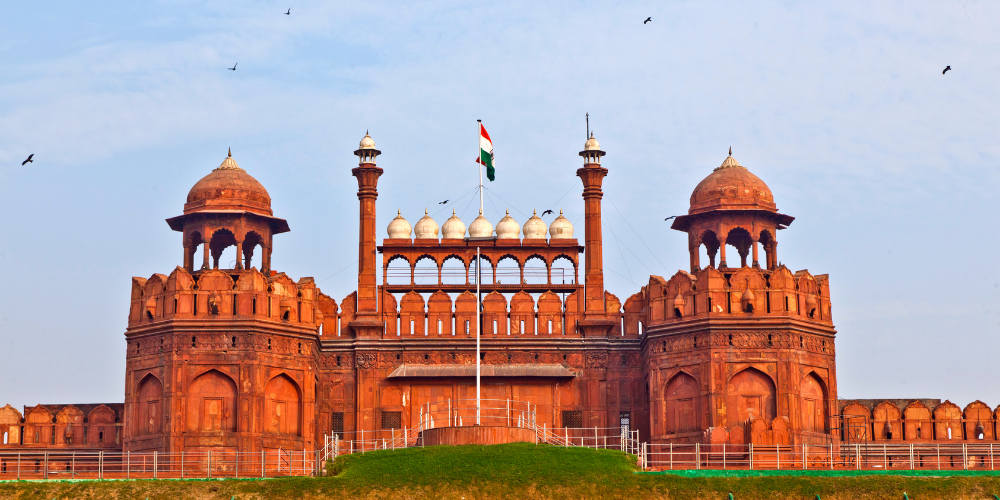
Delhi is a city layered with history, culture, and vibrant life. While many visitors flock to well-known landmarks like the Red Fort, India Gate, and Qutub Minar, the city holds countless lesser-known treasures waiting to be discovered. These hidden gems offer a unique glimpse into Delhi’s diverse heritage and everyday charm, far from the usual crowds. This post takes you beyond the typical tourist spots to explore some of Delhi’s most intriguing and offbeat places.
A narrow street in Old Delhi showcasing traditional shops and architecture
Old Delhi is famous for its bustling markets and historic monuments, but it also has quiet lanes and hidden havens that many miss. For example, Chandni Chowk’s lesser-known alleys reveal centuries-old shops selling spices, textiles, and antiques. Wander through these narrow streets early in the morning to experience the authentic rhythm of the city waking up.
One such spot is Kinari Bazaar, a vibrant market specializing in wedding accessories and traditional Indian fabrics. Unlike the main Chandni Chowk area, Kinari Bazaar feels more intimate and less crowded, perfect for those interested in local crafts and textiles.
Nearby, the Gurudwara Sis Ganj Sahib offers a peaceful retreat. This Sikh temple is not only a place of worship but also a community kitchen serving free meals to visitors, reflecting the spirit of service and hospitality.
While the National Museum and Crafts Museum attract many visitors, Delhi has smaller museums that provide deep insights into specific aspects of Indian culture.
The National Handicrafts and Handlooms Museum (also called the Crafts Museum) showcases traditional Indian crafts with live demonstrations. It’s a great place to see artisans at work and buy authentic handmade products.
The Shankar’s International Dolls Museum houses a unique collection of dolls from around the world, offering a charming and educational experience.
The Sulabh International Museum of Toilets presents an unusual but fascinating look at sanitation history, highlighting innovations and cultural practices related to hygiene.
These museums are often quieter and allow for a more personal experience than the larger, more crowded institutions.
Delhi is known for its parks, but some green spaces remain off the beaten path. These gardens provide a refreshing break from the city’s noise and heat.
Lodhi Art District is an open-air gallery where walls of the Lodhi Colony neighborhood have been transformed into colorful murals by Indian and international artists. Walking through this area feels like exploring a vibrant art museum under the sky.
Sanjay Van is a large forested area near Vasant Kunj, perfect for nature walks and birdwatching. It’s a peaceful spot rarely visited by tourists.
Mirza Ghalib’s Tomb Garden offers a quiet place to reflect while learning about one of India’s greatest Urdu poets. The garden is well-maintained and less crowded than other historical sites.
Delhi’s food scene is legendary, but the best culinary experiences often lie in small, family-run eateries and street stalls away from the main tourist hubs.
Paranthe Wali Gali in Old Delhi is famous, but nearby streets like Chandni Chowk’s Matia Mahal area serve authentic Mughlai dishes that are less known to tourists.
Khan Market has several hidden cafes and bakeries offering fusion dishes and artisanal coffees, ideal for food lovers looking for something different.
Dilli Haat is a popular craft and food bazaar, but exploring the stalls run by artisans from different states can lead to discovering regional specialties rarely found elsewhere in the city.
Trying local sweets like phirni or rabri falooda at small shops in areas like Nizamuddin can be a delightful surprise.
Delhi’s architecture is a mix of ancient, medieval, and modern styles. Beyond the famous monuments, several lesser-known structures tell fascinating stories.
Agrasen ki Baoli is a stepwell hidden in the heart of the city. Its ancient design and quiet atmosphere make it a unique spot for photography and history enthusiasts.
Firoz Shah Kotla Fort is often overlooked but has an intriguing history and a famous “whispering wall.” The fort’s ruins are surrounded by a park where locals practice yoga and play cricket.
Jama Masjid’s rooftop offers stunning views of Old Delhi’s maze-like streets, but few tourists venture up to experience this perspective.
These sites provide a deeper understanding of Delhi’s layered history and architectural diversity.
Delhi’s neighborhoods each have their own character and charm. Exploring these areas on foot reveals everyday life and local culture.
Hauz Khas Village combines medieval ruins with trendy cafes and boutiques. It’s a great place to see how old and new Delhi coexist.
Chhatarpur Village near the famous temple has traditional markets selling fresh produce and handmade goods.
Majnu ka Tilla, a Tibetan colony, offers a unique cultural experience with Tibetan food, handicrafts, and monasteries.
Walking through these neighborhoods allows visitors to connect with Delhi’s diverse communities and traditions.
Start early to avoid crowds and heat, especially in narrow markets and outdoor sites.
Wear comfortable shoes and carry water, as many hidden gems require walking.
Use local guides or apps to discover lesser-known places safely.
Respect local customs and ask permission before photographing people or private spaces.
Try local transport options like cycle rickshaws or metro to reach offbeat locations easily.

 Exciting Deals Enjoy exciting deals on flights, hotels, buses, car rental and tour packages.
 Easy Booking We offer easy and convenient flight bookings with attractive offers.