

Darjeeling, often called the Queen of the Hills, is a destination that captivates travelers with its stunning landscapes, rich culture, and unique charm. Nestled in the eastern Himalayas, this hill station offers more than just breathtaking views. It invites visitors to experience a blend of nature, history, and tradition that few places can match. This post takes you on a journey through Darjeeling’s most enchanting features, practical travel tips, and must-see attractions.
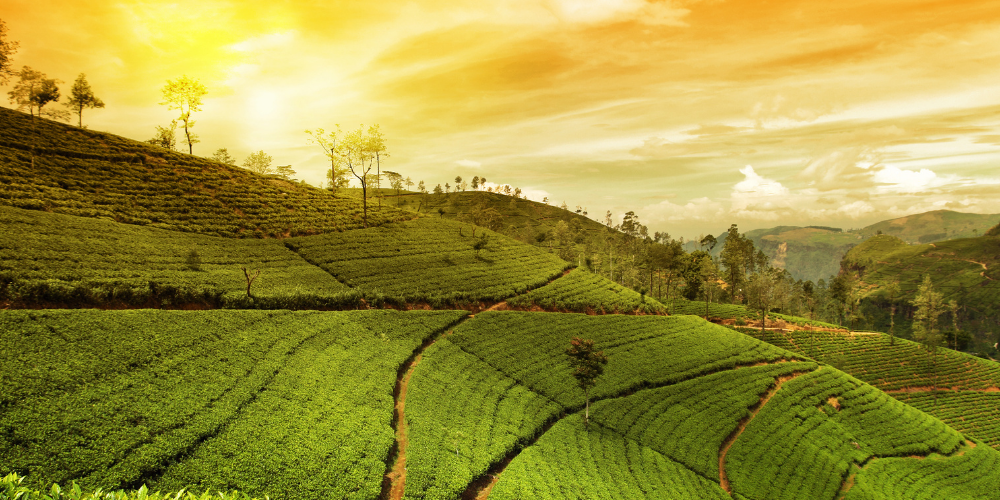
Darjeeling town surrounded by lush tea gardens and rolling hills
Darjeeling’s landscape is a mix of rolling hills, dense forests, and sprawling tea plantations. The town sits at an altitude of about 2,000 meters, offering cool weather and clear skies for most of the year. The panoramic views of the Kanchenjunga mountain range, the third highest peak in the world, are a major draw for visitors.
The tea gardens are a defining feature of Darjeeling. These plantations produce some of the finest teas globally, known for their unique aroma and flavor. Walking through the neatly lined tea bushes, visitors can witness the tea-picking process and learn about the history of tea cultivation in the region.
Darjeeling is home to a diverse population, including Nepali, Tibetan, Bengali, and indigenous communities. This cultural mix is reflected in the town’s festivals, cuisine, and architecture. The Buddhist monasteries, colonial-era buildings, and local markets offer a glimpse into the area’s rich heritage.
One of the most significant cultural sites is the Ghoom Monastery, which houses a large statue of the Maitreya Buddha. The monastery’s peaceful atmosphere and intricate murals attract both pilgrims and tourists. Nearby, the Darjeeling Himalayan Railway, a UNESCO World Heritage Site, showcases the engineering marvel of narrow-gauge trains winding through the hills.
Tiger Hill
Famous for its sunrise views over the Himalayas, Tiger Hill offers a spectacular sight of the sun illuminating the peaks of Kanchenjunga and Mount Everest on clear days. Arriving early in the morning is essential to catch this breathtaking moment.
Batasia Loop
This unique railway loop allows trains to navigate steep gradients by spiraling around a hill. The site also features a beautifully maintained garden and a war memorial dedicated to Gorkha soldiers.
Padmaja Naidu Himalayan Zoological Park
Known for its conservation efforts, this zoo specializes in Himalayan species such as the snow leopard, red panda, and Himalayan wolf. It provides an educational experience about the region’s wildlife.
Darjeeling Ropeway
Offering a bird’s-eye view of the valleys and tea gardens, the ropeway is a thrilling way to explore the area’s natural beauty.
Best Time to Visit
The ideal months are from March to May and September to November. During these periods, the weather is pleasant, and the skies are clear for mountain views.
Getting There
The nearest airport is Bagdogra, about 70 kilometers away. From there, taxis and shared jeeps are available to reach Darjeeling. The Darjeeling Himalayan Railway also connects the town to New Jalpaiguri station.
Accommodation
Options range from cozy guesthouses to luxury hotels. Booking in advance during peak seasons is recommended to secure the best places.
Local Cuisine
Don’t miss trying momos (Tibetan dumplings), thukpa (noodle soup), and the local Darjeeling tea. Several cafes in town offer a warm ambiance and delicious food.
Darjeeling is a gateway to several trekking routes and nature walks. The Singalila Ridge trek is popular among hikers, offering stunning views and opportunities to spot rare birds. For those interested in more relaxed activities, visiting the tea estates or exploring the local markets provides a rich experience.
Photography enthusiasts will find endless inspiration in Darjeeling’s landscapes, vibrant festivals, and colonial architecture. Early mornings and late afternoons offer the best natural light for capturing the essence of the hills.
With increasing tourism, preserving Darjeeling’s natural beauty and cultural heritage is crucial. Travelers can contribute by respecting local customs, minimizing waste, and supporting eco-friendly accommodations and businesses. Engaging with local guides and artisans helps sustain the community and enriches the travel experience.

 Exciting Deals Enjoy exciting deals on flights, hotels, buses, car rental and tour packages.
 Get Best Flight Routes To: Hyderabad, Mumbai, Goa, Chennai, Pune, and Kashmir