

Jaipur, the capital of Rajasthan, is often celebrated for its grand palaces and vibrant markets. Yet beyond the well-trodden tourist paths lie lesser-known treasures that reveal the city’s rich culture, history, and artistry in unique ways. This guide uncovers those hidden gems, offering travelers a fresh perspective on Jaipur that goes beyond the usual sightseeing.
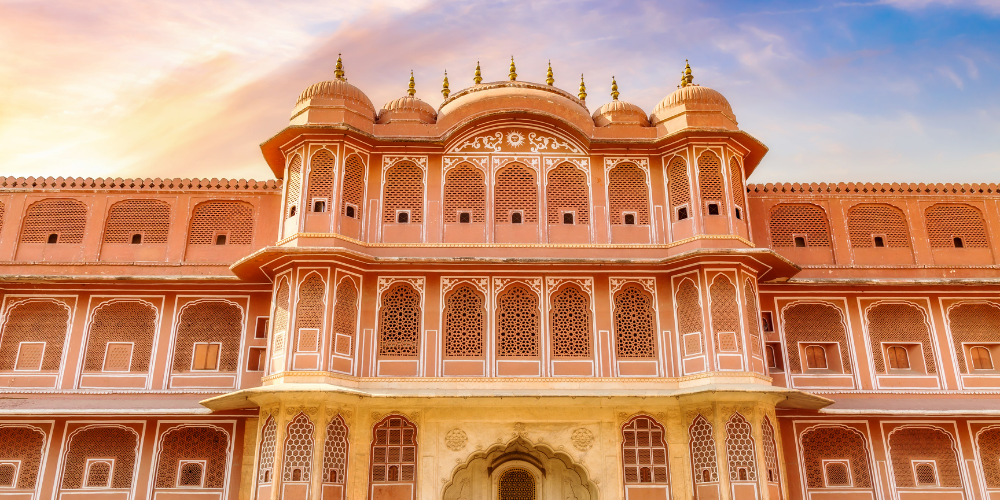
Intricate facade of a hidden Jaipur haveli
While Jaipur’s famous palaces attract crowds, the city’s old neighborhoods hold beautiful havelis that showcase exquisite craftsmanship. These mansions, often tucked away in narrow lanes, feature detailed frescoes, mirror work, and wooden carvings that tell stories of Rajasthan’s royal past.
Patrika Gate: Located near Jawahar Circle, this less-visited gate is a vibrant example of Rajasthani art and architecture. Its colorful murals depict folk tales and local traditions, making it a perfect spot for photography and cultural appreciation.
Galta Ji Temple: Known as the Monkey Temple, this site combines natural springs with ancient architecture. The temple complex is surrounded by hills and offers a peaceful retreat from the city’s hustle.
Chokhi Dhani: Although more commercial, this village resort offers an authentic experience of Rajasthani culture through traditional crafts, folk dances, and cuisine. It’s a great place to see artisans at work and sample local flavors.
Jaipur is famous for its crafts, but many workshops remain hidden from the casual visitor. Visiting these places offers insight into the skills passed down through generations.
Blue Pottery Studios: Jaipur’s blue pottery is unique, made with a special technique that uses quartz and natural dyes. Workshops in the city’s old quarters allow visitors to watch artisans shape and paint delicate pieces.
Block Printing Centers: The art of block printing is alive in Jaipur. Small studios offer demonstrations where you can try your hand at stamping fabrics with traditional patterns.
Jewelry Makers: Jaipur is a hub for precious stones and jewelry. Visiting local jewelers reveals the process of cutting and setting stones, often with intricate designs inspired by Mughal and Rajput styles.
While Jaipur’s popular eateries serve delicious food, some lesser-known spots offer more authentic and intimate dining experiences.
Laxmi Misthan Bhandar (LMB): Though famous, it remains a must-visit for traditional sweets and snacks. Try the ghewar and kachori here.
Rawat Mishthan Bhandar: Known for its pyaaz kachori, this small eatery is a favorite among locals and offers a taste of Jaipur’s street food culture.
Local Rooftop Cafes: Several hidden rooftop cafes in the old city provide stunning views of Jaipur’s skyline along with traditional thalis and refreshing drinks like aam panna.
Beyond the palaces, Jaipur has peaceful green spaces and water bodies that offer a break from the city’s energy.
Central Park: A large urban park with walking trails, fountains, and a musical fountain show in the evenings. It’s a great place for a morning jog or a relaxed picnic.
Mansagar Lake: Located near the Jal Mahal, this lake is less crowded and perfect for bird watching, especially during migratory seasons.
Sisodia Rani Garden: A beautifully landscaped garden with terraced levels, fountains, and painted pavilions. It’s a quiet spot that reflects Mughal and Rajput garden design.
Timing your visit to coincide with local festivals can reveal Jaipur’s vibrant traditions in full color.
Teej Festival: Celebrated in monsoon, this festival honors the goddess Parvati. Women dress in bright clothes, sing folk songs, and enjoy swings hung from trees.
Gangaur Festival: Dedicated to Goddess Gauri, this event features processions, traditional dances, and rituals that showcase Rajasthan’s cultural heritage.
Jaipur Literature Festival: The world’s largest free literary festival attracts authors and thinkers globally. It offers a chance to engage with contemporary ideas in a historic city setting.
Hire a local guide: Many hidden spots are best accessed with someone who knows the city’s lanes and stories.
Use public transport or cycle rickshaws: These modes help navigate narrow streets where cars cannot go.
Visit early or late in the day: To avoid crowds and enjoy cooler temperatures.
Respect local customs: Especially when visiting temples and residential areas.
Carry cash: Many small shops and eateries do not accept cards.

 Easy Booking We offer easy and convenient flight bookings with attractive offers.
 Exciting Deals Enjoy exciting deals on flights, hotels, buses, car rental and tour packages.