
Kerala, often called "God's Own Country," offers a unique blend of natural beauty, rich traditions, and vibrant culture. This southern Indian state captivates travelers with its lush landscapes, tranquil backwaters, and warm hospitality. Whether you seek adventure, relaxation, or cultural immersion, Kerala has something to offer everyone.
Kerala’s geography is diverse, ranging from serene beaches to misty hills and dense forests. This variety creates a perfect setting for nature lovers and adventure seekers alike.
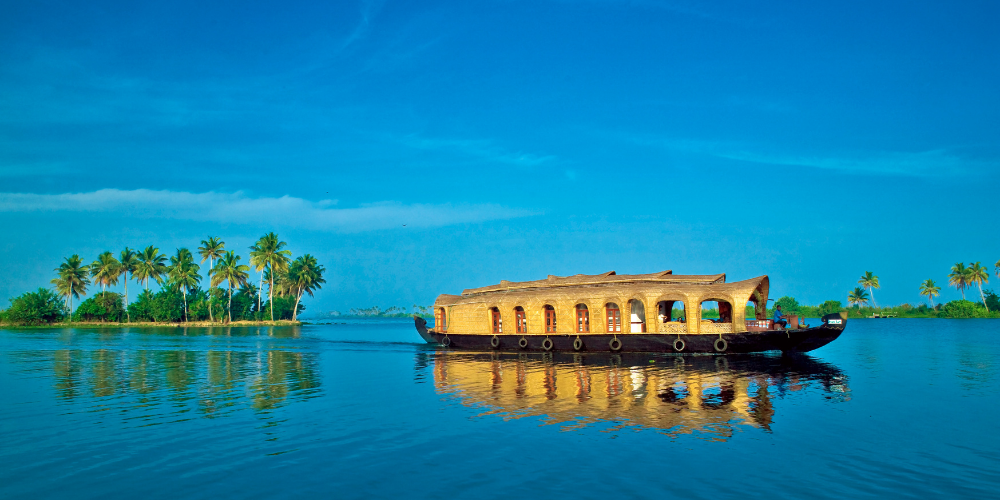
The backwaters of Kerala form a network of lagoons, lakes, and canals parallel to the Arabian Sea coast. These calm waters are best explored on a houseboat, locally called a kettuvallam. Cruising through the backwaters offers a peaceful experience, with views of coconut groves, paddy fields, and small villages.
Houseboats are equipped with modern amenities, making the journey comfortable while allowing travelers to connect with nature. Early mornings reveal fishermen casting their nets, and evenings bring stunning sunsets reflecting on the water.
The Western Ghats run through Kerala, creating hill stations like Munnar and Wayanad. These areas are known for tea and spice plantations, cool climate, and scenic trekking trails. Visitors can explore hills covered with mist, waterfalls, and rare flora and fauna.
Kerala’s wildlife sanctuaries, such as Periyar and Wayanad Wildlife Sanctuary, offer opportunities to see elephants, tigers, and exotic birds in their natural habitats. Guided safaris provide safe and educational wildlife experiences.
Kerala’s coastline stretches over 580 kilometers, featuring beautiful beaches like Kovalam, Varkala, and Marari. These beaches are less crowded than many other Indian coastal destinations, offering a relaxed atmosphere.
Fishing villages along the coast showcase traditional fishing methods, including the famous Chinese fishing nets in Kochi. Visitors can enjoy fresh seafood and watch fishermen at work, gaining insight into local livelihoods.
Kerala’s culture is a blend of ancient traditions, religious diversity, and artistic expression. The state celebrates numerous festivals, classical arts, and culinary delights that reflect its history and values.
Kerala is famous for its classical dance forms such as Kathakali and Mohiniyattam. Kathakali is a dramatic dance-drama known for its elaborate costumes, colorful makeup, and storytelling through facial expressions and hand gestures. Mohiniyattam, on the other hand, is a graceful dance performed by women, characterized by gentle movements and emotive expressions.
Other art forms include Theyyam, a ritualistic performance involving vibrant costumes and face painting, and Kalaripayattu, one of the oldest martial arts in the world
Festivals in Kerala are vibrant and deeply rooted in local traditions. Onam, the state’s biggest festival, celebrates the harvest season with boat races, flower decorations, traditional feasts called sadya, and cultural programs.
Vishu marks the Malayalam New Year and involves rituals to bring prosperity. Thrissur Pooram is a spectacular temple festival featuring decorated elephants, percussion ensembles, and fireworks.
Kerala’s cuisine is known for its bold flavors, use of coconut, spices, and fresh ingredients. Rice and tapioca are staple foods, often accompanied by fish, chicken, or vegetarian dishes.
A traditional Kerala meal, sadya, is served on a banana leaf and includes a variety of dishes such as sambar, avial, thoran, and payasam (a sweet dessert). The cuisine balances spicy, sour, and sweet tastes, reflecting the region’s agricultural richness.
Kerala’s history is reflected in its architecture, temples, churches, and mosques. The state has been a melting pot of cultures due to trade and migration.
Fort Kochi is a historic area with colonial architecture influenced by the Portuguese, Dutch, and British. Visitors can explore old churches, spice markets, and the iconic Chinese fishing nets.
Mattancherry Palace, also known as the Dutch Palace, displays murals and artifacts from Kerala’s royal past. The Jewish Synagogue nearby is one of the oldest in the Commonwealth, showcasing Kerala’s religious diversity.
Kerala has many ancient temples, each with unique architecture and festivals. The Sree Padmanabhaswamy Temple in Thiruvananthapuram is famous for its intricate design and wealth.
Other notable temples include Guruvayur, known as the "Dwarka of the South," and the Vadakkunnathan Temple in Thrissur. These sites attract pilgrims and tourists alike.
Kerala’s Christian community has a long history, with churches like St. Francis Church in Kochi, the oldest European church in India. The state also has beautiful mosques such as the Cheraman Juma Mosque, believed to be the first mosque in India.
These religious sites highlight Kerala’s tradition of coexistence and respect among different faiths.
Planning a trip to Kerala can be rewarding with the right information. Here are some tips to make your visit smooth and enjoyable:
Best time to visit: October to March offers pleasant weather, ideal for sightseeing and outdoor activities.
Getting around: Kerala has a good network of buses, taxis, and trains. Renting a scooter or car is also popular for exploring rural areas.
Accommodation: Options range from luxury resorts and heritage homestays to budget hotels and eco-friendly lodges.
Local customs: Dress modestly when visiting religious sites. Removing shoes before entering temples and homes is customary.
Language: Malayalam is the official language, but English and Hindi are widely understood in tourist areas.
Health and safety: Drink bottled water and use mosquito repellent, especially during the monsoon season.
Kerala offers a rare combination of natural beauty, cultural richness, and warm hospitality. Whether you want to relax on a houseboat, trek through tea plantations, enjoy traditional dance performances, or savor delicious food, Kerala delivers an unforgettable experience.
The state’s commitment to sustainable tourism and preserving its heritage makes it a responsible choice for travelers who care about the environment and local communities.

 Get Best Flight Routes To: Hyderabad, Mumbai, Goa, Chennai, Pune, and Kashmir
 24/7 Support Get assistance 24/7 on any kind of travel related query.